Protein is a foundational macronutrient with far-reaching implications for our well-being, encompassing muscle growth, fat loss, and overall recovery. Understanding its multifaceted significance is crucial for anyone seeking to optimize their health and fitness journey. In this article, we’ll explore the essential role of protein and its impact on various aspects of our bodies.
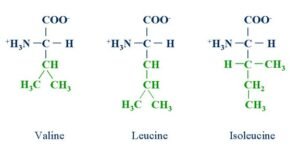
The Essence of Protein: Protein, along with carbs and fats, forms the trio of essential macronutrients that power our bodies. Uniquely composed of amino acids, protein serves as the building blocks that contribute to the structure and function of our body’s components.
Muscle Building and Repair:Protein’s pivotal role in muscle growth and repair is unparalleled. Engaging in activities like weightlifting triggers microscopic muscle damage. Protein’s amino acids facilitate the repair process, leading to increased muscle mass over time. Maintaining a positive nitrogen balance, where protein intake exceeds loss, is vital for optimal muscle development.
Aiding Fat Loss:Protein’s lesser-known benefit lies in its thermogenic effect, requiring more energy for digestion compared to carbs and fats. This heightened metabolic rate supports calorie burning and promotes fat loss. Additionally, proper protein intake safeguards muscle mass during calorie-restricted phases, preventing muscle breakdown.
Accelerated Recovery:Post-workout recovery is heavily influenced by protein intake. Intense workouts deplete muscle glycogen and cause minor muscle tears. Consistent protein consumption supplies the essential amino acids necessary for efficient muscle repair, resulting in faster recovery times and reduced soreness.
Holistic Health Benefits:
- Sustains anabolic state, preserving muscle tissue.
- Regulates growth hormone, affecting metabolism and bone density.
- Supports muscle cell response to growth hormone.
- Elevates metabolism, contributing to calorie burning.
- Balances insulin levels, impacting energy regulation.
Sources:
Protein-rich foods come in various forms, ranging from animal sources like meat to plant-based options such as soy and nuts. Animal proteins provide complete amino acid profiles, while combining incomplete plant proteins creates balanced nutrition. Protein supplements also offer convenience and cost-effectiveness.
Determining Your Protein Needs:
While the recommended daily allowance (RDA) suggests 0.36 grams of protein per pound, individuals in intense training or muscle-building pursuits should aim higher, often consuming 1 to 1.5 grams per pound. Ensuring that 20-40% of daily calorie intake comes from protein sources is also advised.
In essence, protein’s contributions to muscle growth, fat loss, and recovery are indispensable. Whether you’re an athlete or pursuing a healthier lifestyle, harness the power of protein to unlock your potential.

Add comment